

Jerome Powell: Bitcoin Competes with Gold, Not the Dollar
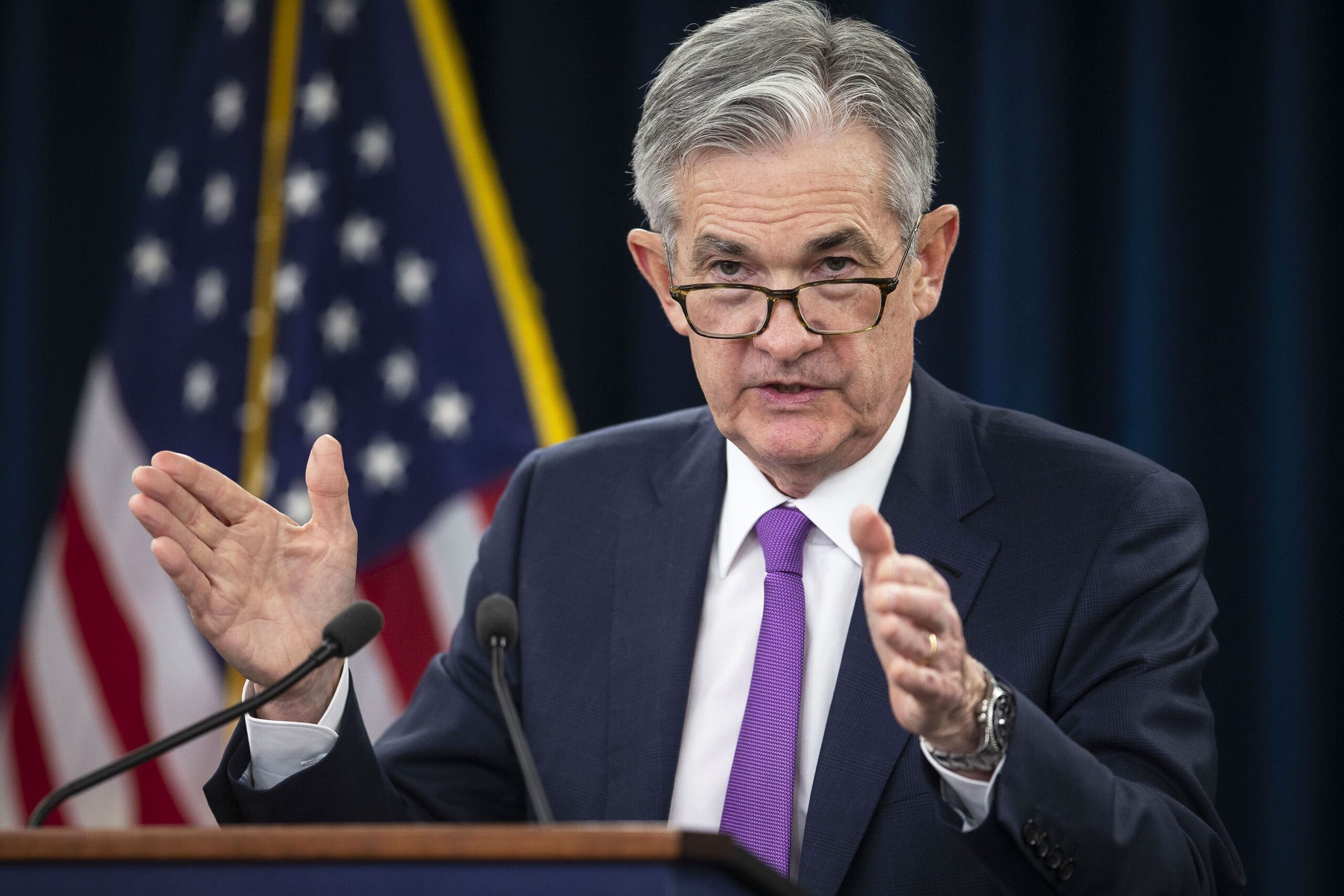
In a statement that has stirred considerable discussion in both financial and cryptocurrency circles, Federal Reserve Chair Jerome Powell has positioned Bitcoin not as a rival to the US dollar, but rather as a competitor to gold. This perspective, articulated during a recent interview, underscores Bitcoin’s role as a potential store of value, akin to the traditional safe-haven asset of gold.
Bitcoin as Digital Gold
Powell’s remarks highlight a growing narrative within the investment community — that Bitcoin is increasingly seen as “digital gold.” By likening Bitcoin to gold, Powell acknowledges the cryptocurrency’s appeal as an asset for speculation rather than a medium of exchange or a store of value in the conventional sense due to its high volatility. This comparison is significant because it frames Bitcoin within the context of assets traditionally used to hedge against economic instability and inflation, rather than as a direct challenger to fiat currencies like the US dollar.
Bitcoin Competes with Gold, Not the Dollar
Jerome Powell
Market Implications
Bitcoin’s market cap has grown to surpass that of silver, making it the eighth most valuable asset globally by market value. However, it still trails significantly behind gold, which is valued at nearly $18 trillion. Powell’s comments might signal to investors that while Bitcoin should not be viewed as a currency in the traditional sense, its role in investment portfolios could be akin to that of gold — a diversifier and a hedge against inflation or monetary policies that might devalue traditional currencies
Volatility and Speculation
One of the central points of Powell’s statement is Bitcoin’s inherent volatility. Unlike gold, which has a long history of stability as a value store, Bitcoin’s price swings have historically been dramatic.
This volatility undermines its utility as a reliable store of value or a means of payment, relegating it to the realm of speculative investments. Powell’s acknowledgment of this aspect aligns with widespread views in economic circles about the speculative nature of cryptocurrencies
Regulatory Outlook
The Federal Reserve, under Powell’s leadership, does not directly regulate cryptocurrencies, but his commentary reflects a broader governmental and financial sector scrutiny on how digital assets interact with the traditional banking system. While the Fed is cautious about digital currencies potentially disrupting financial stability, Powell’s remarks suggest an open, albeit critical, dialogue about where Bitcoin might fit in the broader financial ecosystem without posing a direct threat to the US dollar’s dominance.
Future of Bitcoin
Powell’s analogy of Bitcoin to gold could influence future regulatory frameworks, investor behavior, and even the development of central bank digital currencies (CBDCs). If Bitcoin continues to be perceived primarily as a digital counterpart to gold, this might lead to a different regulatory approach, focusing more on investor protection against its volatility rather than treating it as a currency. Moreover, this stance might encourage further institutional investment in Bitcoin, seeing it as a legitimate asset class for portfolio diversification.

Conclusion
Jerome Powell’s comparison of Bitcoin to gold rather than the US dollar provides a nuanced view of cryptocurrencies in the financial landscape. It reflects an evolving understanding of Bitcoin’s role, potentially steering its trajectory from a disruptive currency to a recognized asset class. As the digital economy grows, such perspectives from key figures like Powell will play a critical role in shaping the narrative and regulatory environment around cryptocurrencies. However, the volatile nature of Bitcoin suggests that while it might compete with gold in some respects, its path to mainstream acceptance as a stable store of value remains complex and fraught with challenges.


FED Chair Jerome Powell says Bitcoin “is a competitor with Gold, not the US Dollar.”